



Living with sciatica or other types of back pain is never easy, but finding the right mattress for sciatica could provide some temporary relief at nighttime and facilitate the healing process. Firm mattresses have been said to be more suitable for people suffering from lower back pain, but a study✓ shows that medium-firm mattresses are in fact better at reducing the pain.
We have taken a closer look at some of the best mattresses for sciatica available on the UK market to see what different features these include. While great spinal alignment and pressure relief seem to be key to easing sciatica related pain, these mattresses also offer many other interesting layers and technologies. Keep reading to see if there's a suitable mattress for you and for more helpful tips and information regarding sciatica.
(Important Facts, Studies, Advice, Considerations & FAQs In Conclusion)
| MATTRESS | TYPE | THICKNESS | FIRMNESS | TRIAL & WARRANTY | PRICE |
|---|---|---|---|---|---|
| Ergoflex 5G Mattress | Memory Foam | 23 cm | Medium | 30 Nights 10 Years | £499 |
| Otty Hybrid Mattress | Hybrid | 25 cm | Medium-Firm | 100 Nights 10 Years | £599,99 |
| Eve Original Mattress | Memory Foam | 24 cm | Medium | 365 Nights 10 Years | £429 |
| REM-Fit 500 Ortho | Hybrid | 25 cm | Firm | 100 Nights 15 Years | £799 |
| Emma Original Mattress | Memory Foam | 25 cm | Medium | 200 Nights 10 Years | £449 |
| Simba Hybrid Pro | Hybrid | 28 cm | Medium-Firm | 200 Nights 10 Years | £999 |
1. Ergoflex 5G Mattress


| HIGHLIGHTS | SUITABILITY |
|---|---|
| • Orthopaedic pressure relief • Motion isolating • Temperature regulating | • People needing extra support and pressure relief • Couples • Hot sleepers |
The Ergoflex 5G mattress is said to have been created with the intent of making the brand's most comfortably supportive and pressure-relieving mattress ever. The base layer is a 9 cm high-resilience foam that is impact-resistant and creates a supportive base for the upper layers and the sleeper's body. At the core of this mattress sits another interesting feature - a 5cm Cool-Sleep airflow layer.
This layer is designed to allow you to sleep cooler by preventing heat from getting trapped inside the mattress and together with the open-cell structure of the memory foam and the vented 3D mesh panels in the cover, it's meant to help regulate the sleeper's temperature at night. On top of this layer is a 9 cm high-density visco-elastic memory foam layer, designed to provide body-shaping support as well as pressure relief.
Wrapping everything together is first a protective inner cover and then another breathable and natural Tencel outer cover for extra comfort. This mattress is designed to provide orthopaedic pressure relief and support across the mattress while being temperature regulating which can be helpful when suffering from sciatica or other types of back pain. It comes with a 10-year warranty and a 30-night trial period.
2. Otty Hybrid

| HIGHLIGHTS | SUITABILITY |
|---|---|
| • 16 cm tall springs for added support • CertiPUR and Europur approved foam • Breathable temperature-regulating mattress | • People who enjoy a hybrid feel • Most sleeping positions • Hot sleepers |
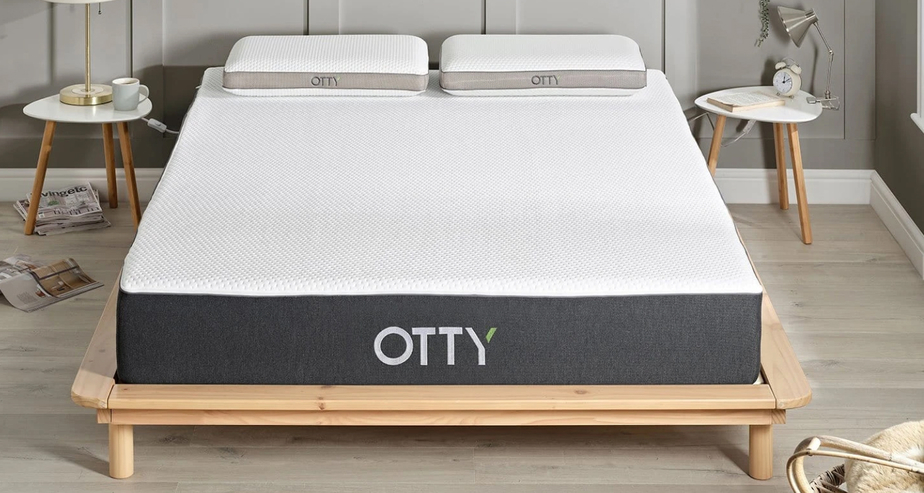
Those who enjoy a hybrid feel more than an all-foam mattress may want to have a closer look at the Otty Hybrid. With its core layer of 16 cm tall pocket springs it offers great support and a medium-firm feel which is what is recommended for people suffering from sciatica. On top of the springs is a high-density support foam that acts as a transition layer for added comfort.
The comfort layer of this mattress is a temperature-regulating memory foam that is designed to help you sleep cooler. Surrounding the pocket springs sits a sturdy edge support to make sure the edges don't sag with time. This is equipped with airflow technology, allowing for hot air inside the mattress to escape and promoting a cooler sleep. The base of the Otty Hybrid is made of solid HD base foam, designed to make your mattress last for many years.
A removable and washable thick knit cover provides a soft and comfortable sleep surface. The foams in the Otty Hybrid are CertiPUR and Europur approved, meaning that they have gone through thorough safety testing. You can try the Otty Hybrid at home for 100 nights to make sure that it is the right mattress for you and if it is, you will also enjoy a 10-year guarantee.
3. Eve Original Mattress

| HIGHLIGHTS | SUITABILITY |
|---|---|
| • 7 zoned base layer • Pressure-relieving and supportive mattress • Moisture-wicking cover | • Couples • Sleepers enjoying a cushioning feel • Most sleeping positions |
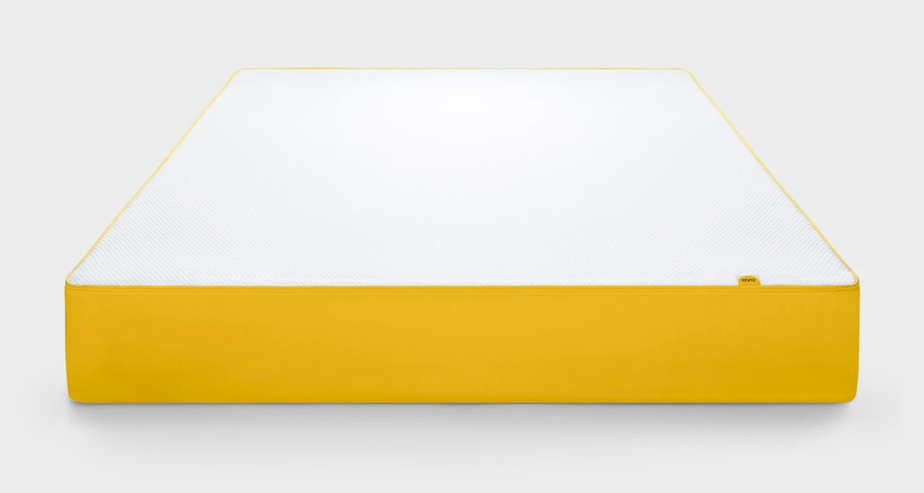
The Eve Original mattress is a very popular all-foam mattress thanks to its supportive yet slightly cushioning feel which can be great when suffering from sciatica. Consisting of three different layers it starts from the bottom with a dense foam layer with 7 different zoned areas for enhanced spinal alignment while taking pressure off hips and shoulders.
The middle layer is a slightly cradling memory foam layer to further relieve pressure and to provide comfort to the sleeper. It can also help absorb any motion from a tossing sleeper, making sure any partners can sleep undisturbed. On top of the memory foam sits another more springy foam layer that is designed to aid in spinal alignment as well as in temperature regulation as it is highly breathable.
The top cover is made from moisture-wicking materials, aiming to keep you dry and cool throughout the night and the bottom of the mattress features a non-slip coating, making sure your mattress stays in the right place. Eve offers an old mattress removal service, a 365-night trial and 10 years of warranty to make you sleep in peace.
4. REM-Fit 500 Ortho

| HIGHLIGHTS | SUITABILITY |
|---|---|
| • Supportive pocket springs • Zoned memory foam • Breathable and thermo-regulating mattress | • Heavyweight sleepers • Front and back sleepers • Hot sleepers |
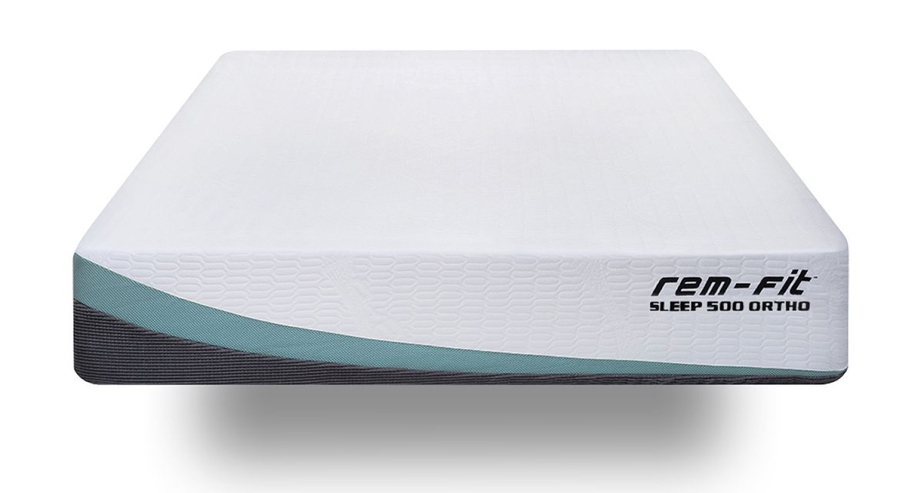
The REM-Fit 500 Ortho is, as the name suggests, an orthopaedic hybrid mattress that focuses on providing great support to the sleeper. Featuring up to 2000 14 cm tall pocket springs that respond individually to the sleeper's movement and weight in order to provide strong support and comfort. Together with an open-cell memory foam layer, it allows for airflow through the mattress, helping to prevent you from waking up sweaty.
The memory foam layer has zoned arear to improve your spinal alignment and to provide pressure relief for sore joints. The base layer is made of a sturdy high-density foam that provides a solid foundation to sleep on and supports up to 20 stone (127 kg) per sleeper. The mattress also comes with edge-to-edge support which can make your mattress last longer without sagging on the edges.
It also features a thermo-regulating cover made of Re-Ax knitted fibre which makes it soft to the touch and can be removed and machine-washed. This could be a great choice for a heavier sleeper, suffering from sciatica as well as for back and front sleepers in need of some extra support. REM-Fit offers a 100-night trial and a 15-year guarantee on this mattress.
5. Emma Original Mattress

| HIGHLIGHTS | SUITABILITY |
|---|---|
| • Supportive, body-shaping foam mattress • Zoned base layer • 200-night trial and 10-year guarantee | • Those looking for better spinal alignment • Sleepers looking for a durable mattress • Most sleeping positions |
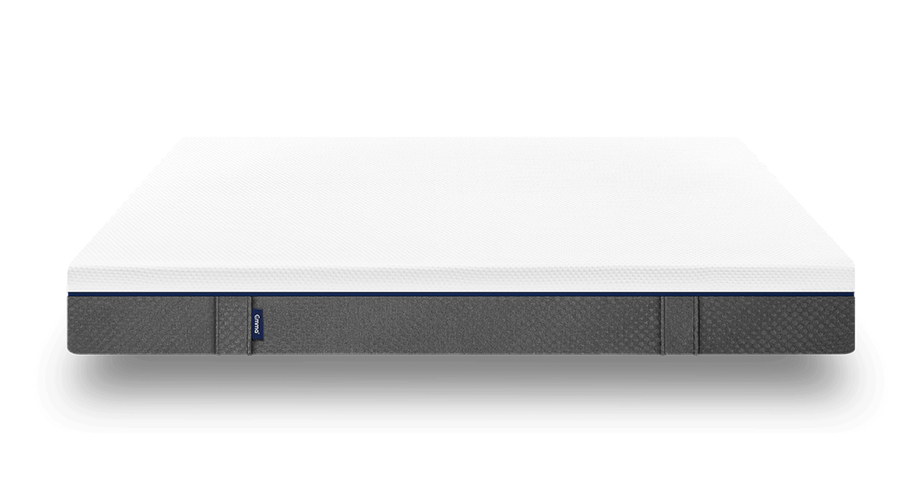
The UK's most awarded mattress, the Emma Original, is a supportive and pressure relieving all-foam mattress that is loved by thousands of customers. It features a supportive HRX (High Resiliency Extra) foam base with zoning for an improved spinal alignment and added pressure relief for the sleeper. Next up is a visco-elastic memory foam that is designed to further enhance the pressure relief of this mattress while reducing motion transfer.
On top of this sits an open-pored and highly breathable Airgocell memory foam layer. This is engineered to better absorb any moisture while promoting airflow through the mattress, regulating the temperature of the mattress and helping to keep you cool and dry throughout the night. The temperature regulating features of this mattress continues in the cover which is made by a moisture-resistant material that can easily be removed and washed.
This mattress aims to keep the sleeper's spine aligned while resting comfortably on the body-shaping foam layers. Emma also offers a 200-night trial period together with their 10-year guarantee for you to try it out and make sure it suits your sleeping preferences and any possible sciatica or other back-related problems.
6. Simba Hybrid Pro

| HIGHLIGHTS | SUITABILITY |
|---|---|
| • Breathable natural wool layer • Zoned base layer • Double spring layer | • Sleepers enjoying a hybrid feel • Hot sleepers • People prone to allergies |
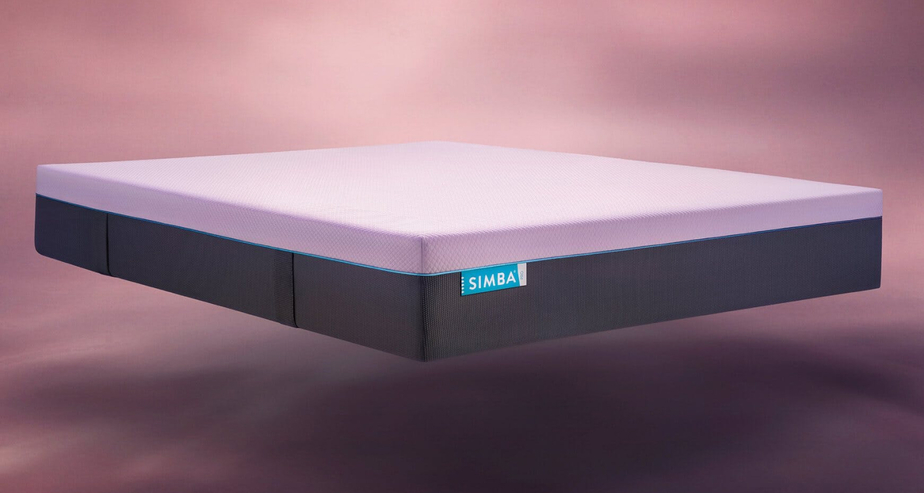
This multi-layered mattress from Simba could be a good ally against sciatica or other types of pains in your back and joints thanks to its supportive nature. Starting from the bottom with a zoned Simba-Pure support base, allowing for your shoulders and hips to sink slightly deeper into the mattress, aligning your spine and being supportive where needed. On top goes another high-definition Simba-Pure foam layer that provides edge support for better longevity of the mattress.
Next comes two identical layers on top of each other of patented titanium Aerocoil springs which are individually encased in a polyester pocket and add to the support of this mattress. This layer can also add to the breathability of the mattress as it allows for air to flow more freely than in an all-foam mattress. On top of the spring layers sits an open-cell Simba-Pure foam layer that features graphite for a more cooling effect.
Right underneath the hypoallergenic, knitted cover sits a layer of natural wool which makes for a soft and comfortable sleeping surface as well as regulates heat. Wool is known to be naturally moisture-wicking and is also resistant to bacteria and fungi. The Simba Hybrid Pro also comes with a 200-night trial and 10 years of guarantee.
What Is Sciatica?
Sciatica is a fairly common lower back and leg pain caused by pressure on the sciatic nerves. These are the longest nerves in our body and run from our lower backs, passing our buttocks, down our legs and all the way to our toes. If these nerves get trapped or pressured by a herniated disc we can experience different degrees of pain in different areas along those nerves. In some cases, the pain can be occasional and irritating but for others, it can become a severe and debilitating problem.
Pain from sciatica is most common from the lower back and down the leg but can in some cases, depending on where the nerve is affected, the pain can even reach your feet. Sciatica is often caused by inflammation and tends to get better within 4 to 6 weeks but can also become chronic and, in some cases, professional help can be required. Anti-inflammatory drugs and applying heat or cold has proven to be helpful for some while others could need surgery.

Some common sciatica symptoms are:
- A burning or tingling sensation down your leg
- Pain in your buttocks and/or legs which gets worse when sitting down
- A shooting sensation of pain when standing up in your back, rear, legs or feet
Keep in mind:
If the pain is exclusively in your back it is not likely to be sciatica.
How Does Sciatica Affect Our Sleep?
Going to sleep can be either a relief or a nightmare if you're suffering from sciatica pain. Depending on where the compression on your nerve sits you may find some momentary relief laying down but it's more likely that you will feel added pressure on your hips and lumbar area throughout the night and having problems finding a comfortable sleeping position.
Apart from finding a suitable mattress for sciatica, there are a few other things you can do to try to relieve some of the pain:
- Take a warm bath shortly before going to bed. It releases muscle tension and the slight temperature drop in our bodies after getting out of a bath can help the body to trigger sleep.
- Do some light excersises for sciatica.
- Some stretching of the affected area can also provide temporary relief, helping you sleep better.
- Try to sleep in a recommended position for sciatica pain and take help from pillows to allow for better spinal alignment.

Recommended Sleeping Position For Sciatica
A correct sleeping position is important to everyone in order to maintain a healthy back and to prevent future problems but for those suffering from sciatica, it is even more important. The most common sleeping positions are front, back and side sleeping and although sleeping on your front is rarely recommended as it puts added strain on your neck, you can sometimes get away with it if you have a strong and healthy back. However, for someone suffering from sciatica, sleeping on your front is strongly advised against.
Front-Sleepers
Front sleepers should definitely start working on finding a different sleeping position as sleeping on your front will place most of your body weight around the hips, making this part sink deeper into the mattress than the rest of your body and thus putting added pressure both on your lower back and your neck. This can easily worsen the pain from sciatica and make the problem last longer.
It's not an easy task to change your normal sleeping position to another but it is doable. Read our best tips for front-sleepers if you are having trouble changing to a more suitable sleeping position. If you cannot change your position you might want to have a look at a firm mattress with extra support around the hip and lower back area.
Back-Sleepers
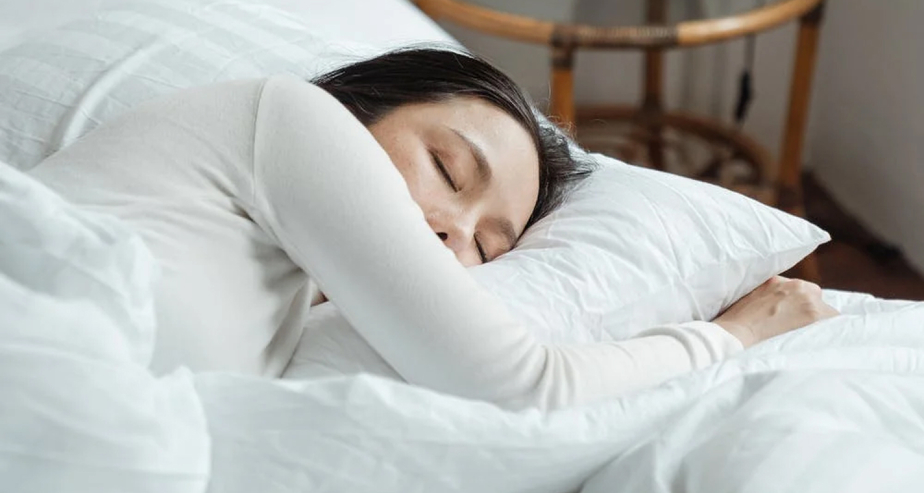
Sleeping on your back with sciatica is much more recommended than sleeping on your stomach. This allows for a more natural alignment of the spine but once again we need to remember the mid-section of our body which is where the weight is gathered.
Too firm mattresses can cause a space between the lumbar area and the mattress, creating added pressure on the lower back, while a too-soft mattress could allow your hips to sink too deep, and again uncomfortably straining your lower back. Adding a pillow underneath your knees, keeping them slightly bent and elevated, can help to take some pressure off your lower back and the back of your legs.
Side-Sleepers
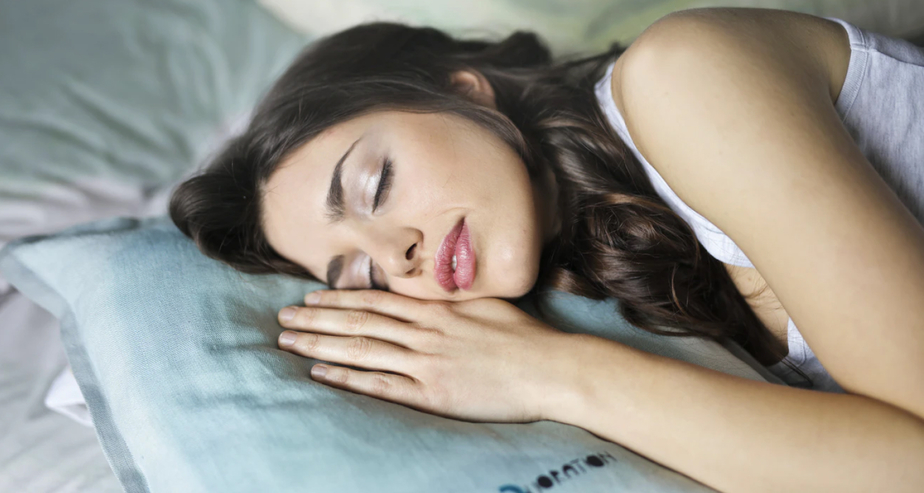
The other most commonly recommended sleeping position for those suffering from sciatica is side-sleeping. As sciatica usually manifests in one side of our body it is often comfortable to sleep on the opposite side, taking any pressure off the painful side. Side-sleepers overall tend to benefit from a medium to medium-firm mattress as these allow the sleeper's hips and shoulders to sink slightly into the mattress, promoting a natural spinal alignment.
However, when sleeping on our side we often tend to let the upper leg fall in front of the lower leg and this can actually pull the spine out of alignment which can cause more pain. This problem can be solved by placing a leg pillow between your knees which can help to keep them in place throughout the night.
What To Look For In A Mattress For Sciatica
The main thing to look for when trying to find the best mattress for sciatica is proper support and spinal alignment. These two things can help improve your posture while sleeping and possibly relieve some of that pain or at least don't make it worse. Look for mattresses that offer zoning, which means that it offers different firmness and support in different areas of the mattress. Mattresses can have a different amount of zones but the most common amount is around 5-7 zones.
The Benefits Of A Zoned Mattress For Sciatica
When laying down we usually place most of our body weight on our hips, some of it around our shoulders and legs and the least around our head and feet. A zoned mattress often offers enhanced support in the middle of the mattress, making sure that our lumbar area gets the support it needs, taking into consideration the added weight around that area.
Then comes two more zones on each side of the middle, in a mirroring effect so that the support will always be the same, even if you rotate your mattress 180º. The next zone closest to the middle usually gives a bit more, allowing for your shoulders to sink a bit deeper into the mattress and maintaining your natural spinal alignment. The outer zones tend to be firmer again, letting your head rest comfortably without sinking into the mattress.
Pressure Relief
The pressure relief and the support of a mattress often go hand-in-hand. It's easy to think that when we're in back pain we just want to be surrounded by as much softness as possible, which is why some people tend to opt for a softer mattress. While a soft mattress can take pressure off joints, it could also be doing it incorrectly and eventually pull your spine out of alignment, causing even more problems. The best mattress for sciatica is one that offers the correct support for your spine while being cushioning enough to take pressure off aching parts of your body.
Other Considerations
Memory foam mattresses are often recommended to people who suffer from sciatica thanks to their ability to provide high support and pressure relief at once. Another positive feature of foam mattresses is their ability to isolate movement which can be very useful when sleeping next to a partner.
Studies✓ have shown that people with sciatica can in severe cases experience bladder problems which could lead to an increased number of nightly toilet visits. Sciatica sufferers can also shift position more frequently than usual which could lead to motion disturbance of their partners unless the mattress absorbs most of that motion, which is usually the case with foam mattresses.
Things To Avoid If You Have Sciatica
Below is a summary of the most obscure things to avoid when having sciatica. This is a collection found over at Spine Universe.

- Avoid long bed rests - You should not stay in bed for longer than 48hrs. It is important to keep moving.
- Avoid long sitting sessions - After about 20 min try getting up and moving. When you do sit, avoid bending/leaning forward. Avoid stiing on the sofa as they are more than likely not supportive enough.
- Avoid stretching your hamstring - Stretching your hamstring could worsen sciatica. Try rather walking or swimming to warm up as this takes less stress off the back.
- Avoid bending over - Bending forward especially when picking up objects adds shearing force on the spine. Rather go into a small squat, bending your knees slightly and keeping your back as straight as possible.
- Avoid twisting your spine - Joints and muscles in your lower back can be aggrevated when combining twisting motions with additional movements like forward or side bending.
- Avoid long car trips - Make sure your mirrors are properly adjusted to avoid slumping while being seated and take frequent breaks to oppose the flexed sitting position.
I would say that 90 percent of the time, a herniated disc will calm down. If there are neurological deficits, that would be a reason for surgery. But most of the time, sciatica gets better.
Dr. Ronald Tolchin
Frequently Asked Questions
What kind of mattress is best for sciatica?
A person suffering from sciatica needs to maintain a good spinal alignment when laying down and will also benefit from pressure-relieving qualities, making memory foam and hybrid mattresses great options as these often provide both.
What is the best firmness rating of mattress for a person who is overweight and has sciatica?
Depending on the person's weight they could benefit from a medium-firm or firm mattress. It needs to be soft enough to allow for the hip and shoulder area to sink slightly deeper into the mattress but firm enough to support the mid-section of the sleeper where most of the weight is placed.
How do I know if a mattress is good for sciatica?
Make sure that it offers good support and pressure relief and if possible, try the mattress before buying it. If you are purchasing online, make sure that the brand offers a trial period so that you can test the mattress at home and see if it is comfortable for you.