


Whether you have children, pets or a weak bladder, accidents can happen. Knowing how to deal with urine stains can take some unpleasantness from the cleaning up process. Approximately 15% of children wet the bed at age 5, with boys twice as likely to urinate the bed than girls. For this reason, amongst others, it's handy to know the ins and outs surrounding bed-wetting so parents can deal with these issues accordingly.
Keep reading to discover the best ways to remove urine stains and odours from the mattress, as well as some valuable facts and information regarding bed-wetting and how best to protect your mattress.
How To Remove Urine Stains & Odours
While there are plenty of cleaning sprays and products available on the market, there are also various cleaning solutions in which you can use items in your own home. Below are steps you can follow to remove urine stains and eliminate unpleasant odours.
Vinegar & Baking Soda
- Use a dry paper towel to dab the stain and soak up any excess urine. Do not rub the stain as it could cause the urine to absorb further into the mattress.
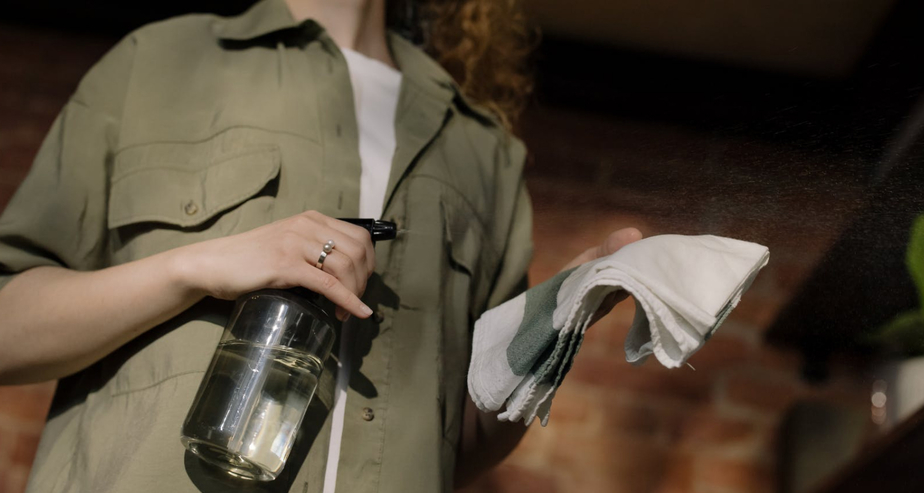
- Mix a cup of distilled white vinegar with two cups of cold water and 2-3 tablespoons of laundry detergent. Pour the mixture into a spray bottle and spray over the stain.
- Leave the solution to soak into the mattress for 15 minutes then dab with a fresh cloth or paper towel.
- Cover the stain with baking soda and leave for 8-10 hours. After this time, you can use a vacuum to get rid of any excess baking soda.
Odour Eliminator
- Cover the stain in baking soda; the powder should go dark as it absorbs the excess liquid. Continue to vacuum and cover with fresh baking powder until the powder remains white.
- Clean the remainder of the stain by dabbing with water or mattress cleaner for tougher stains.
- Use a non-toxic enzyme cleaner to eliminate strong odours; this is particularly useful for animal urine which often has a stronger smell and can be more tough to remove than human urine.
- If the odour is still lingering, you can mix essential oils with 2 tablespoons of white vinegar and 2 cups of cold water to spray over the mattress.
Hydrogen Peroxide
- Mix together 1 part of baking soda and 5 parts of hydrogen peroxide. You can also add a small amount of laundry detergent for stubborn stains.
- Pur the mixture in a spray bottle and spray over the stain. You should then leave the mixture to soak for 10 - 15 minutes.
- Use a vacuum to clean any residue and then take a damp cloth to dab any remaining liquid or eliminate any remaining odours.
Why Children Experience Bed Wetting
Bed-wetting, otherwise known as nocturnal enuresis, is a common issue and is predicted to affect an estimated half a million children and teenagers in the UK. While bed-wetting is a common occurrence, especially for children under 7, it can also be distressing and cause problems if your child wishes to go on overnight trips or sleepovers.

There isn't an exact cause for bed-wetting, and it is often associated with your child's development. Children tend to have smaller and less developed bladders and therefore are less likely to be able to hold all their urine. In addition, young children may be less likely to control the nerves in the bladder, especially while they are sleeping. Genetics and lifestyle factors, such as stress, can also cause children to experience bed-wetting.
There are also medical causes for bed-wetting, such as urine infections and sleep apnoea✓. The latter is a condition related to snoring where the sleeper struggles to breathe correctly; this can cause the child to become more tired and lack awareness when urinating.
Did you know?
It is estimated that 21% of 4-year-olds wet the bed less than two nights a week. This number decreases with time, with 9% for 9-year-old children.
Ways To Prevent Bed Wetting
Bed-wetting is common among children; therefore, it is often recommended to be understanding and patient as most children usually grow out of it. However, if you want to reduce bed-wetting or it becomes a problem, there are several steps✓ you can take. It's also worth noting that any serious concerns should be discussed with a medical professional.
- Water Consumption: Drinking more water during the day can encourage healthy toilet habits. If you’re child drinks plenty of water during the day, they may not need as much fluids in the evening and therefore could be less likely to wet the bed. Restricting liquids is not recommended as it can cause dehydration which can lead to urinary tract infections.
- Regular Toilet Trips: It is recommended that your child drinks enough water and goes to the toilet regularly throughout the day, approximately 4 -7 times. It is particularly important to establish a routine of going to the toilet before bed.
- Urinary Bed Alarm: A urinary bed alarm is a moisture sensor that will make a sound when your child begins to urinate. This is designed to awaken the child so they can finish in the bathroom. The aim is that eventually the child will awaken before the alarm makes a sound. A 2001 study✓ found that children given alarms were 13 times less likely to wet the bed than those without.
- Toilet Access: You can make sure that your child has easy access to the toilet during the night by leaving doors open or purchasing a night light.
- Rewards: Rewarding your child when they have a dry night can be a good way to encourage motivation in a positive manner. Rewards can include praise, special activities or preparing your child’s favourite foods. However, it’s advised to avoid punishment if your child wets the bed as this could cause more harm and upset.
Accessories To Protect Your Mattress
Stains, spills and accidents can often be inevitable; therefore, it can be beneficial to purchase the necessary accessories to help protect your mattress against any damage. Here are some products worth considering to eliminate stains and odours and protect your mattress.
- Mattress Protector: A mattress protector is a thin layer of fabric that is designed to protect your mattress against damage and stains. Mattress protectors can come in various materials, such as Tencel, cotton and bamboo. The latter can be beneficial as it has natural hypoallergenic and moisture-wicking qualities.
- Waterproof Mattress Protector: If you want to guarantee extra protection, a waterproof mattress protector can offer that additional safeguarding. Many waterproof mattress protectors contain a thin layer of polyurethane which can act as a waterproof coating and increase durability.
- Mattress Cleaner: There are plenty of mattress cleaners and sprays available on the market which can help to keep your mattress free of stains and spills. Features of mattress cleaners include odour eliminators, antiallergen properties and multi-functionality.
- Mattress Vacuum: An alternative to mattress sprays could be a mattress vacuum cleaner. This can help to remove hairs and dust mites, as well as helping to eliminate bacteria.
Frequently Asked Questions
How to get urine out of a mattress?
There are many different ways to remove urine from a mattress, such as purchasing a mattress cleaner or making your own cleaning solution with products such as baking soda, vinegar or hydrogen peroxide.
How to get urine out of a mattress when dry?
You can remove urine stains from a dry mattress by dabbing with a cloth, then soaking with a mixture of baking soda, white vinegar, cold water and a small amount of laundry detergent.
How to get urine out of a memory foam mattress?
Generally, you can follow the same techniques and methods when cleaning a memory foam mattress as other mattress types. This can include dabbing the stain and spraying a mixture of baking soda and white vinegar.