



For many, going to bed should be a relaxing experience and a place where you can get some well-earned rest. A sliding mattress could have the potential to disturb your sleep, especially if you tend to move around a lot during the night. In addition, it can become annoying to constantly move the mattress back into place.
Below we will explore why your mattress could be sliding, and the steps you can take to ensure your mattress stays firmly in place.
Causes For A Sliding Mattress
There are several reasons that could be causing your mattress to shift and slide. This can range from the quality of your mattress to the design of your bed frame. Keep reading to discover some possible causes and how to resolve these issues.

- Mattress Cover: There are plenty of mattresses currently available which feature a non-slip cover. This design feature can include special materials or technology to help prevent the mattress from sliding. The absense of a non-slip cover could be causing your mattress to slide.
- Old Mattress: An old mattress is more likely to have a build-up of dirt, body oil and dust which can easily accumulate if you’ve had your mattress over 10 years. This build-up can cause the mattress to slide more, and you may need to consider a deep clean or purchasing a new mattress.
- Bed Frame: If you’re bed frame is too large for the mattress, this can cause the mattress to shift or slide in the extra space. To prevent this, be certain that your mattress fits snugly within the bedframe. In addition, you can purchase a bed frame with a headboard and footboard to keep everything firmly secure.
- Support: For those who own a slatted bed frame, you may have noticed the slacks sinking or sagging over time. This often means the bed frame isn’t offering the correct support and the uneven surface can lead to your mattress sliding out of place.
Non-Slip Mattress Accessories
Purchasing a non-slip mattress can be a costly investment. If you would rather save money, there are plenty of mattress accessories that can help prevent your mattress from slipping.
- Mattress Pad: A non-slip mattress pad is a thin layer of fabric that can be used for added comfort and protection. To create a non-slip surface, you can purchase a rubber mattress pad which should be particularly effective at holding the mattress in place.
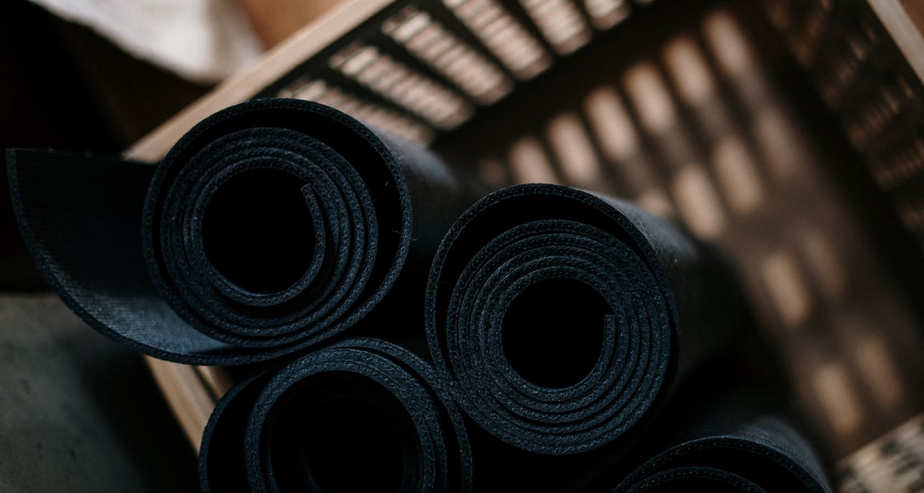
- Yoga Mat: Purchasing one or two yoga mats to place under your mattress is another cost-effective solution to prevent slipping. Yoga mats are designed to be non-slip and are often made from rubber or rubbery materials, which can provide a good amount of grip.
- Vacuum: Dust can make surfaces more slippery, and mattresses tend to gather a lot of dust over time. By vacuuming your mattress, you can not only reduce the slippery surface but can also help improve the overall freshness and hygiene of the mattress.
- Velcro: You can invest in velcro tape or strips, which often come with adhesives to secure onto the bottom of your mattress. The advantage of using velcro is that you can place them in the corners, centre or across the length of your entire mattress.
- Mattress Extender: If your mattress is too small for your bed frame, it could cause it to shift and slide. To solve this issue, you can find a mattress extension block, which can be placed at the foot of the bed to fill the extra space, then covered with a pillow.
Restless Sleepers
For those prone to tossing and turning at night, you may experience more shifting and sliding of the mattress than those who sleep more soundly. In a survey, it was found that approximately 67% of UK adults suffer from disrupted sleep, with as many as 16 million reportedly suffering from sleepless nights.
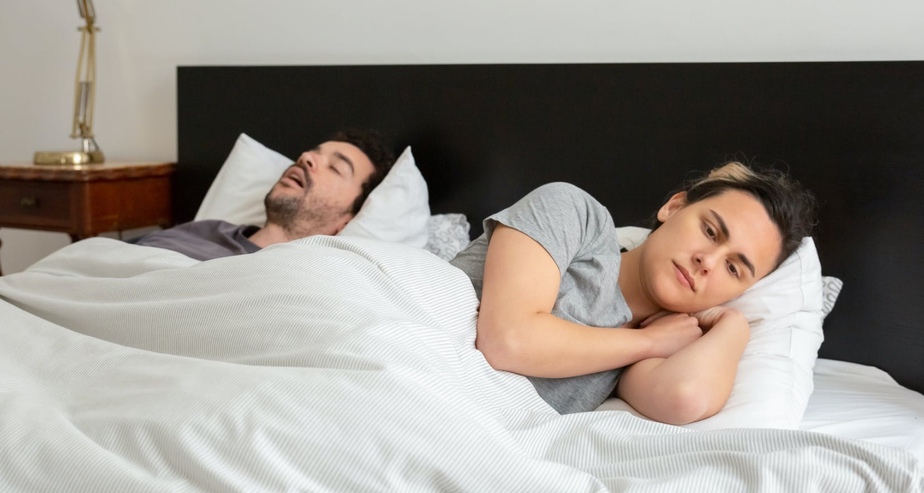
There are many psychological factors that could prevent you from getting a good night's rest. Stress can play a significant role for restless sleepers, as it can release the adrenaline and cortisol hormones, which can cause a flight-or-fight response. This heightened state can cause you to stay awake or become restless at night. Other psychological factors which could be keeping you awake include anxiety and insomnia.
So stress and sleep are really known to have a bidirectional or a two-way relationship. So if you're under stress, it affects your sleep. I would really describe the state that we're in right now as a state of hypervigilance or hyperawareness to what's going on, to the threats in our environment.
Dr. Kelly Baron, University of Utah Health
In addition, the use of technology before bed could also be contributing to your lack of sleep. Many mobiles and other technological devices use blue light, which could have a negative impact on your sleep. A Harvard study✓ compared green light and blue light and found that the latter suppressed melatonin for twice as long as the green light. This is significant as melatonin is a hormone that can help promote sleep.
Tips To Avoid A Restless Sleep
Tossing and turning at night can not only cause your mattress to slip and slide but also have a negative impact on your health and wellbeing. Below are some valuable tips if you want to improve your sleep and avoid those restless nights.
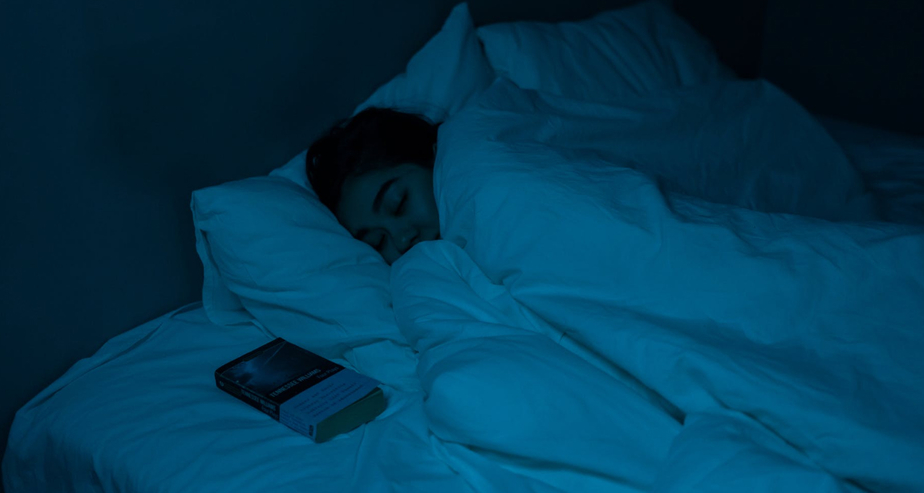
- Avoid Technology: Throughout the day, it can be pretty difficult to switch off your devices. However, at night it could be worth turning off electronics as the blue light from certain devices can affect your sleep. Try reading a book or listening to some relaxing music instead.
- Exercise: Engaging in regular exercise can also help promote a better nights sleep. Medical director, Charlene Gamaldo, M.D. states that there is solid evidence that exercise can help you fall asleep quickly and improve sleep quality. Gamaldo also notes that exercise can also help to stabilise your mood and relieve stress.
- Food & Drink: It’s well known that food and drink containing caffeine should be avoided before going to bed. Moreover, studies✓ have shown that a diet which includes milk products, fish, vegetables and fruit can also help promote sleep.
- Meditation: As restless night can often be caused by stress and anxiety, engaging in mediatation and mindfulness could help to calm your mind and body. Dr Herbet Benson also suggests practicing mindfulness during the day as it allows you to practice the techniques which can be utilised at night.
- Sleep Aid Websites: If you need help unwinding, there are plenty of sleep aid websites available online which are designed for this purpose. These websites typically include guided meditation, relaxing sounds and music, bedtime stories and many other features to help you get a better nights rest.
Frequently Asked Questions
How to stop a mattress from sliding?
There are various ways you can stop your mattress from sliding, depending on what's causing your mattress to shift.
This could include purchasing a non-slip mattress pad, yoga mat, or velcro strips. You can also get a mattress extender if your bed frame is too big for your mattress.
How to stop a mattress topper from sliding?
To stop a mattress topper from sliding, you can purchase a tightly fitted sheet that is deep enough to fit snugly around the topper and mattress. You can also use mattress topper straps or velcro strips to keep the topper in place.
How to stop a mattress sliding on a Divan?
Divan beds often come without a headboard or footboard; therefore, keeping the mattress in place could be more challenging. To prevent the mattress from sliding, you can invest in a non-slip mattress pad, or you can vacuum under your mattress to remove any slippery dust.