



As much as we would all rather not think about it, we all know bloodstains on a mattress can happen and most likely have happened. There is, however, no need to panic as bloodstains can be removed with the correct treatment.
Before we get into the most effective techniques to get blood out of a mattress, we’ll cover a few things that will help us understand why some methods are effective and others not.
Fabric Stains Explained
A fabric stain is essentially an area of discolouration that penetrates the surface of a material that can be seen on a surface or material and is caused by the chemical and physical interactions of two different materials.
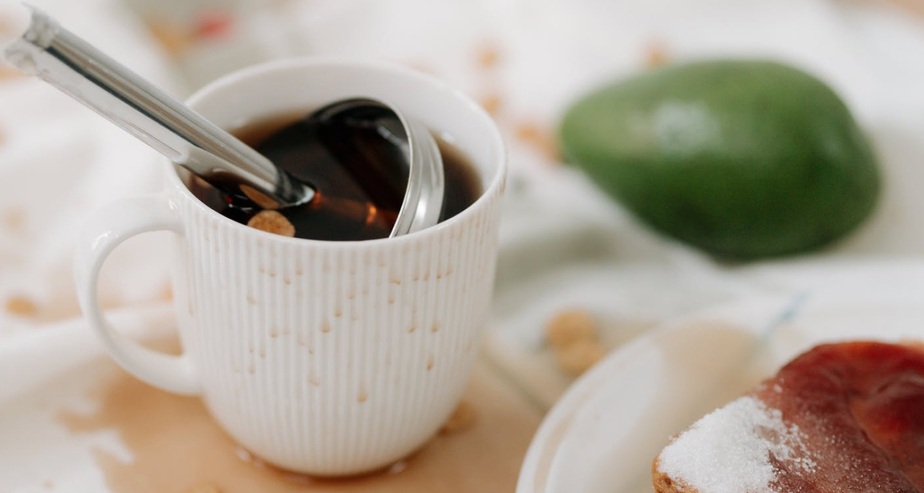
Fabric stains can generally be classified into the following types:
- Oil stains - from animal or plant oil (cooking oil, butter, and cosmetics).
- Protein stains - animal-based products cause these stains (dairy products, urine, vomit, mud and white glue).
- Tannin stains - from beverages (beer, wine, and coffee) as well as inks from some pens and markers.
- Dye stains - grass, blueberries, cherries, felt-tip markers and colour bleeding from other garments can cause these types of stains.
- Combination stains - made up of more than one type and include stains from chocolate, candlewax and ketchup.
Bloodstains are animal-based and are therefore protein stains. As with all the different types, protein stains require specific removal techniques to be successful. Applying the incorrect method can result in 'setting' the stain - essentially making removal of blood out of a mattress more difficult or impossible.
Why is blood a protein stain? To answer this question, we have to look at the composition of blood in a little more detail.
Blood Basics
Human blood✓ is made up of four main components: plasma, red blood cells, white blood cells, and platelets - each with specific functions.
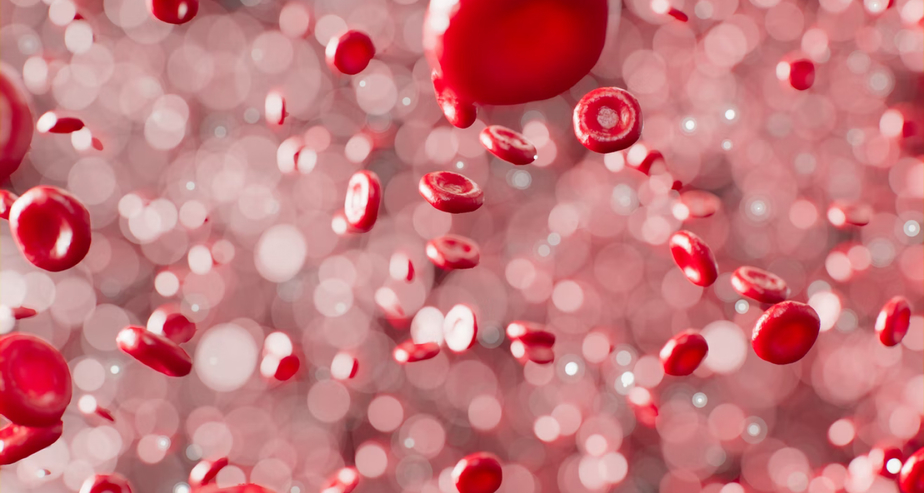
The blood plasma is the liquid component of blood and consists of water (92%), sugars, fats, proteins, and salts. The main function of plasma is to transport blood cells throughout the body. The different types of blood cells are tabulated below.
| Red blood cells (erythrocytes) | White blood cells (leukocytes) | Platelets (thrombocytes) | |
| Description | ☐ The most abundant cells in the blood (make up about 40%) - contain special proteins called haemoglobin. | ○ Made up of neutrophils and lymphocytes - make up only 1% of our blood. | ᐃ Made up of small fragments of cells. |
| Function | ☐ Haemoglobin helps carry oxygen from the lungs to the rest of the body. | ○ Protect our bodies against infection. | ᐃ Help the blood clotting process. |
Did you know?
An average-sized man has about 12.2 pints (5.7 litres) of blood in his body✓, and an average-sized woman has about nine pints (4.3 litres).
Bloodstains And Heat
Blood consists of many proteins. These proteins are ionized and can bind to the fibres in bedding, clothing, carpets, curtains, upholstery, and other surfaces. After the water in the blood plasma evaporates from the blood 'stain', the blood becomes a gelatinous clump.
These ionized proteins are difficult to remove from fabrics, such as mattresses. Difficult, however, not impossible, and the most important thing to remember when removing blood from a mattress is not to use hot water.
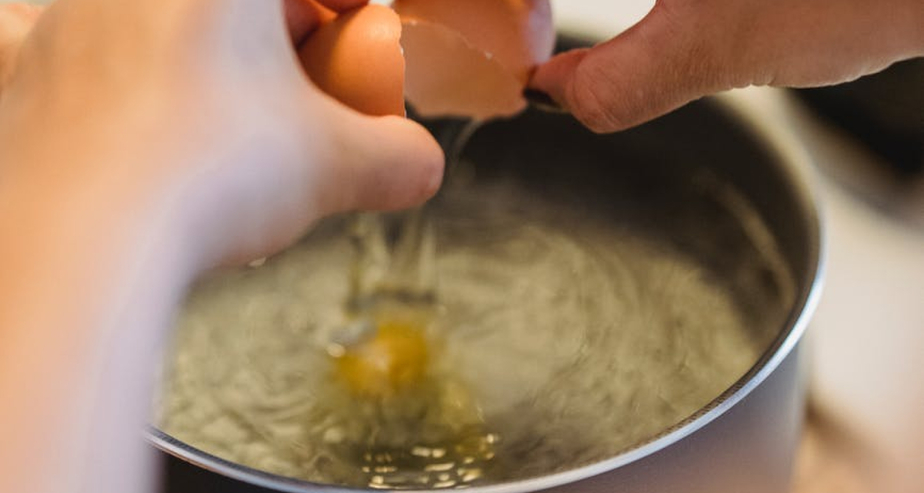
Heat breaks down the protein strands, and they connect more firmly to one another (they coagulate/solidify - like boiling an egg) and the fabric.
Did you know?
Our red blood cells contain a protein called haemoglobin which carries a red coloured compound called heme✓ (necessary for carrying oxygen) - this gives our blood the red colour.
In addition to the golden rule of not using warm or hot water on a blood-stained mattress, it’s worth noting that your chances of successfully removing blood from a mattress are far greater the quicker you can tend to the stain.
Once the plasma has evaporated and proteins have broken down and bound tightly to the mattress fabric, removal of blood from a mattress can be more difficult. A fresher stain will be more water-soluble and easier to remove.
Techniques On How To Get Blood Out Of A Mattress
Considering all of the above, the techniques listed below are most commonly recommended to get blood out of a mattress. However, it’s worth noting that depending on the extent of the stain and the type of mattress you have, some methods may be more effective than others.
You might even want to combine or repeat a few techniques to find what works best for your situation. Lastly, as with all stains, work from the outer edges to the inside to avoid spreading the stain.
Cold Water
If the bloodstain is fresh, cold water alone may do the trick. Take a white cloth or paper towel and run it under cold water.
Then, dab the stain (it’s important to dab and not rub as this could work the stains more deeply into the fibres of the mattress). Also, be careful not to soak the mattress, which could encourage mould.
Bicarbonate Of Soda And Vinegar
After blotting (again, don’t rub) as much excess moisture away as possible, sprinkle bicarbonate of soda (baking soda) over the bloodstained area and then spray a 50/50 solution of water and white vinegar.
Leave for 30 minutes and then either vacuum the leftover residue or wipe with a damp cloth.
Salt, Cornstarch And Hydrogen Peroxide
Combine ½ cup cornstarch, ¼ cup hydrogen peroxide, and one tablespoon of salt, apply the mixture over the whole bloodstained area, and let dry for about 30 minutes. Once dry, gently scrape the leftover residue and vacuum or wipe with a damp cloth.
If the bloodstain is not lifting, you can gently use a toothbrush to work the mixture into the fabric after application gently.
Meat Tenderiser
Meat tenderisers contain enzymes (often bromelain or papain) that break down the collagen proteins in meat, making it more tender. The same principle applies to breaking down the proteins in a bloodstain.
Take one tablespoon of meat tenderiser with two teaspoons of cold water and make a paste. Let the solution sit and dry, and then vacuum/brush away or wipe with a damp cloth.
Enzyme Cleaner
Enzyme cleaners can usually be found with the cleaning products at the supermarket and work similarly to meat tenderisers by breaking down stains at a molecular level.
Always read the instructions as different brands may be specific to certain fabric types or have other important information.
Ammonia
Ammonia is another option, but it should be used as a last resort as it’s a pretty potent chemical. Add a tablespoon of ammonia to a cup of cold water and use a towel to dab at the bloodstain.
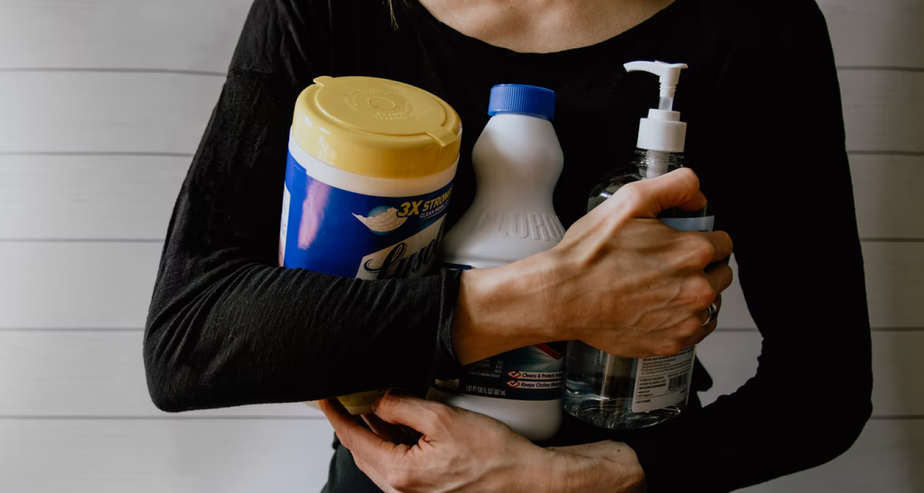
Best to use gloves, open a window, and do not attempt any home chemistry - ammonia combined with bleach✓ produces toxic fumes!
Conclusion
Bloodstains on a mattress are something we may at some point have to deal with, and it’s helpful to know the methods to do so effectively. Most importantly, treat the bloodstain as quickly as possible and stay far away from the hot water.
Once removed (or even as a preventative measure beforehand), it’s a good idea to invest in a mattress protector that forms a waterproof layer between your mattress and everything on top of it.
Frequently Asked Questions
How to get blood out of a mattress?
The most important things to remember when removing blood from a mattress are treating it as quickly as possible, using cold water, dabbing and not rubbing the stain, and using products suitable for protein-based stains. These include bicarbonate of soda and vinegar, salt, cornstarch and hydrogen peroxide, meat tenderiser, enzyme cleaner, or ammonia.
How to get dried blood out of a mattress?
The techniques to get rid of dried blood from a mattress are the same as fresh blood (you can try bicarbonate of soda and vinegar, salt, cornstarch and hydrogen peroxide, meat tenderiser, enzyme cleaner, or ammonia). However, a combination of several methods and performing them several times may be necessary - depending on the extent of the stain.
How to get period blood out of a mattress?
If the blood is fresh and the stain is not too large cold water may do the trick. However, if the stained area is large and not recently stained, you could try bicarbonate of soda and vinegar, salt, cornstarch and hydrogen peroxide, meat tenderiser, enzyme cleaner, or ammonia.