


Whether you know what they are or haven’t a clue, the words 'beg bugs’ will likely make most people grimace. These little critters are parasites that feed on blood and love to take up residence in mattresses and other bedding.
However, there are ways to remove these pests and certain things we can do to prevent an infestation in the first place. Knowing what you’re dealing with is always a good place to start.
What Is A Bed Bug?
There are two different types of bed bugs✓ - the common bed bug (Cimex lectularius) and the tropical bed bug (Cimex hemipterus). The tropical bed bug requires a slightly higher average temperature, and for this reason, the common bed bug is native to the UK.
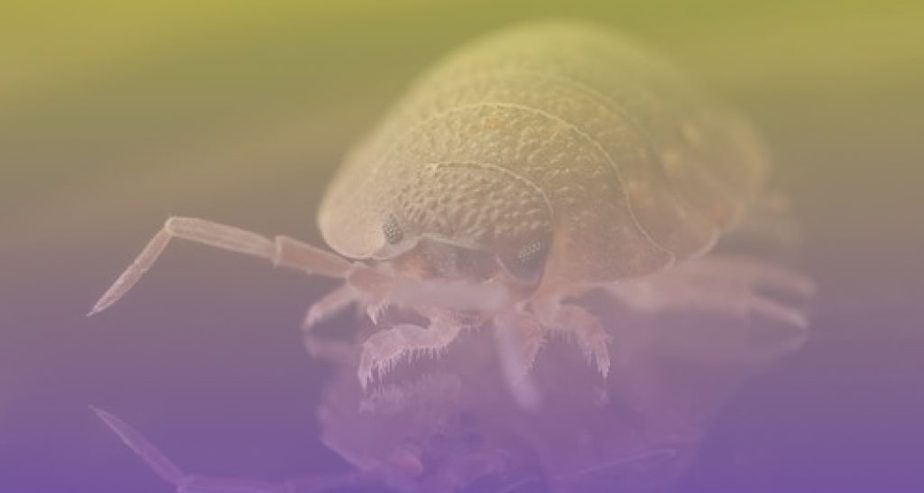
Unlike scabies mites and dust mites, bed bugs are visible to the naked eye, and can be seen on a mattress - adult bed bugs range between 5-7mm (about the size of an apple seed). They are wingless, long and brown with a flat oval-shaped body if not fed recently.
They will look round and ‘blown-up’, reddish-brown, and more elongated if they have fed recently. Younger bed bugs (nymphs) are smaller, translucent or whitish-yellow and can be more difficult to see. Bed bug eggs are pearl-white and very small (about the size of a pinhead).
Bed Bug Behaviours And Habits
Understanding how bed bugs behave, how they differ from other parasitic pests, and what they look like on a mattress may help you treat, or hopefully, prevent an infestation.

Feeding
Bed bugs appear to prefer to feed on humans but will also bite other warm-blooded mammals and birds. They can travel 5-20 feet from their hiding places to feed on a host and are primarily active at night (when the host is sleeping).
The time it takes an adult bed bug to engorge (fill up with blood) takes between 10-20 minutes.
Lifestyle
In order to mate and produce eggs, both males and females must feed at least once every 14 days. Each female may lay 200-500 eggs in her lifetime (which is usually 6-12 months). The ‘egg to egg’ life cycle can take 4-5 weeks.
Preferred Habitat
Common bed bugs are found almost anywhere their host can live - they like dry, dark places such as mattress seams, bed frames, bed frames, or cracks and crevices in walls or furniture and will thrive at a temperature and humidity that is comfortable for humans.
They can survive temperatures as low as 7°C, but they die when their body temperatures reach 45°C.
Good to know!
In the UK, bed bugs reach their peak numbers✓ during early autumn.
Bed Bug Bites
Bed bug bites✓ are painless at first but can cause itching and welts (red bumps or swelling). The bites can look like bites from other insects (such as mosquitoes or fleas), rashes or hives, although some people don’t react to bed bug bites at all.
To confirm bed bug bites, you need to identify the bugs themselves. Good to note that bed bugs, although irritating to the unlucky host, are not known to transmit or spread disease.
Bed Bugs: Myth vs. Fact
There is a wealth of misinformation about bed bugs, and whilst no one would be happy with providing them with accommodation, it’s important to be clear on the myths✓ surrounding these notorious pests.

| Myth | Fact |
|---|---|
| ✗ You can't see a bed bug on a mattress. | ✓ You should be able to see adult bed bugs, nymphs and eggs with your naked eye on a mattress (the latter two are a little more difficult to spot). |
| ✗ Bed bugs are only found in dirty places. | ✓ Bed bugs are attracted to warmth, blood, and carbon dioxide, not dirt - however, messy rooms offer more places for them to hide. |
| ✗ Bed bugs only bite in the dark. | ✓ Whilst bed bugs prefer darkness, the light will not stop them from biting. |
| ✗ Bed bugs can fly or jump from person to person. | ✓ Bed bugs don't have wings and can therefore not fly - they are also not able to jump or hop. |
| ✗ Bed bugs travel on our bodies. | ✓ These insects are not crazy about heat and therefore don't like to stay too close (on us or our clothes) for too long due to our body heat - they prefer bedding, luggage, shoes etc. |
Signs Of Bed Bugs On A Mattress
If you suspect bed bugs but are not able to spot the live bugs on your mattress, here are a few signs to look out for:
- Reddish or rusty-coloured stains on your mattress or sheets from bed bugs being crushed.
- Eggs and eggshells (tiny - only about 1mm) and pale yellow skins that the nymphs shed as they grow older.
- Darks spots on your mattress or sheets caused by bed bug droppings (about the size of a full stop).
- A musty sweetish odour - produced by glands on the lower side of their body.
Fun fact!
Bed bugs’ association with humans goes back a long way - archaeologists excavating a 3550-year old village✓ in Eqypt found fossilised bed bug remains.
How To Remove Bed Bugs From A Mattress
There are numerous ways of getting rid of bed bugs. If you’re going to attempt a DIY approach, the following steps are recommended.
However, if your infestation is large or if your methods have not been successful, it’s a good idea to call for professional bed bug extermination.
- Wash all your linen on the hottest possible cycle - try to avoid using your laundry basket to transport bedding.
- Vacuum your mattress and bedroom thoroughly several times - be sure to throw vacuum bag contents outside the house and clean the vacuum itself.
- If possible, take your bed frame apart and clean every inch of it - consider sealing any cracks in wooden frames.
- Use mattress-friendly insecticides (be sure always to read the instructions first).
- Steam your mattress - adult bed bugs and their eggs will die within minutes at 50°C.
Tips To Prevent Beg Bugs On A Mattress
If you want to avoid bed bugs on your mattress or not go through the procedure of removing bed bugs more than one time, the following tips could be helpful:
- Clear out clutter and clean up any mess in your bedroom.
- Regularly dust and vacuum your bedroom.
- Invest in a suitable mattress protector.
- Regularly wash bedding on a hot cycle.
- Inspect a new second-hand mattress very carefully before bringing it into your home.
Did you know?
Before the arrival of modern pesticides, bed bugs were generally considered as an accepted pest✓ - in London in 1930, an estimated one-third of the population (roughly 4 million people) was thought to be affected by the common bed bug.
Conclusion
Bed bugs feed on blood and like to live in dry, dark places close to their host. Although unlikely to spread or transmit disease, bites from these tiny insects can irritate their host and cause itching resulting in swelling and welts.
Although often difficult, it is possible to remove these pests - either by vacuuming, using insecticides, or steaming - usually, a combination of techniques is required. If this is unsuccessful, a professional may be needed to help. It’s essential to eradicate bed bugs and their eggs to prevent further infestation.
Frequently Asked Questions
What do bed bugs on a mattress look like?
Adult bed bugs range between 5-7mm and are wingless, long and brown with a flat oval-shaped body if not fed recently - if they have, they will look round and ‘blown-up’ reddish-brown.
What do bed bug eggs look like on a mattress?
Bed bug eggs are very small and therefore quite difficult to see on a mattress - they are pearl-white and about the size of a pinhead.
How to get rid of bed bugs on a mattress?
There are several ways you can remove bed bugs from a mattress, including vacuuming, insecticides and steaming - depending on the severity of the infestation; you may need professional help.